The Most Common Mistakes When Selling a Property in Mallorca (And How to Avoid Them)
Selling a Property May Seem Simple… Until It's Time to Do It
Many homeowners believe that selling a property is simply a matter of uploading a few photos to a real estate portal, setting a price and waiting for a buyer to appear. Sometimes it may seem that straightforward, but in reality, the process is often much more complex.
A well-located property in a desirable area may attract viewings within days, while another with similar characteristics can remain on the market for months without receiving a serious offer. The difference is not always the property itself, but how the sale has been prepared from the very beginning.
When a property is listed with an unrealistic asking price, a weak marketing strategy or incomplete documentation, the chances of achieving a quick and successful sale decrease significantly. On the other hand, careful preparation usually leads to greater buyer interest, stronger negotiations and a much smoother transaction for everyone involved.
The good news is that most of the mistakes sellers make can easily be avoided with the right preparation. In this guide, we look at the most common pitfalls and explain how to avoid them so you can sell your property in Mallorca at the best possible price and with complete peace of mind.
Mistake #1: Setting an Unrealistic Asking Price
This is probably the most common mistake homeowners make when selling a property. When a home has been part of your life for many years, it's completely natural to attach emotional value to it. It may hold special memories, include renovations you've invested in, or simply feel unique to you. However, the property market is driven by supply, demand and recent sales—not emotions.
Many sellers base their asking price on similar properties advertised online. The problem is that the advertised price is not necessarily the price at which a property eventually sells. Two seemingly similar homes can differ significantly in terms of location, orientation, condition or quality of finishes, all of which directly affect market value.
An asking price that is too high often has the opposite effect to what sellers hope for. The first few weeks on the market are when a property attracts the greatest attention because it appears as a new listing to buyers who have been searching for some time. If the price is not competitive, many of those buyers will simply move on to the next property.
As the months pass, the property remains unsold and may start to give buyers the impression that something is wrong or that the owner is unwilling to negotiate. In many cases, the price eventually has to be reduced several times, which can further undermine buyer confidence.
For this reason, setting a realistic asking price from the outset is usually far more effective. A professional valuation based on current market conditions will attract more interest, generate more viewings and increase the chances of receiving strong offers within a shorter period.
Mistake #2: Not Preparing the Property Before Putting It on the Market
Many homeowners list their property exactly as it is, believing buyers will recognise its potential. However, first impressions remain one of the most influential factors during both online and in-person viewings.
Before buyers even step through the front door, they have usually seen the property's photographs and decided whether it is worth arranging a visit. A clean, bright and well-presented home immediately creates a sense of care and makes a much stronger first impression.
Preparing a property for sale does not always require expensive renovations. In many cases, repairing minor defects, repainting certain rooms, improving the lighting or removing overly personal items is enough to make the space feel larger, brighter and more inviting. If the property has a garden or swimming pool, keeping these areas well maintained is equally important, as outdoor spaces often play a major role in purchasing decisions.
The goal is not to remove the home's personality but to help buyers imagine themselves living there. The easier it is for someone to picture their future in the property, the more likely they are to make an offer. Although preparing a property requires some effort, it often helps reduce the time it spends on the market while improving buyers' perception of its value.
Mistake #3: Using Poor-Quality Photographs
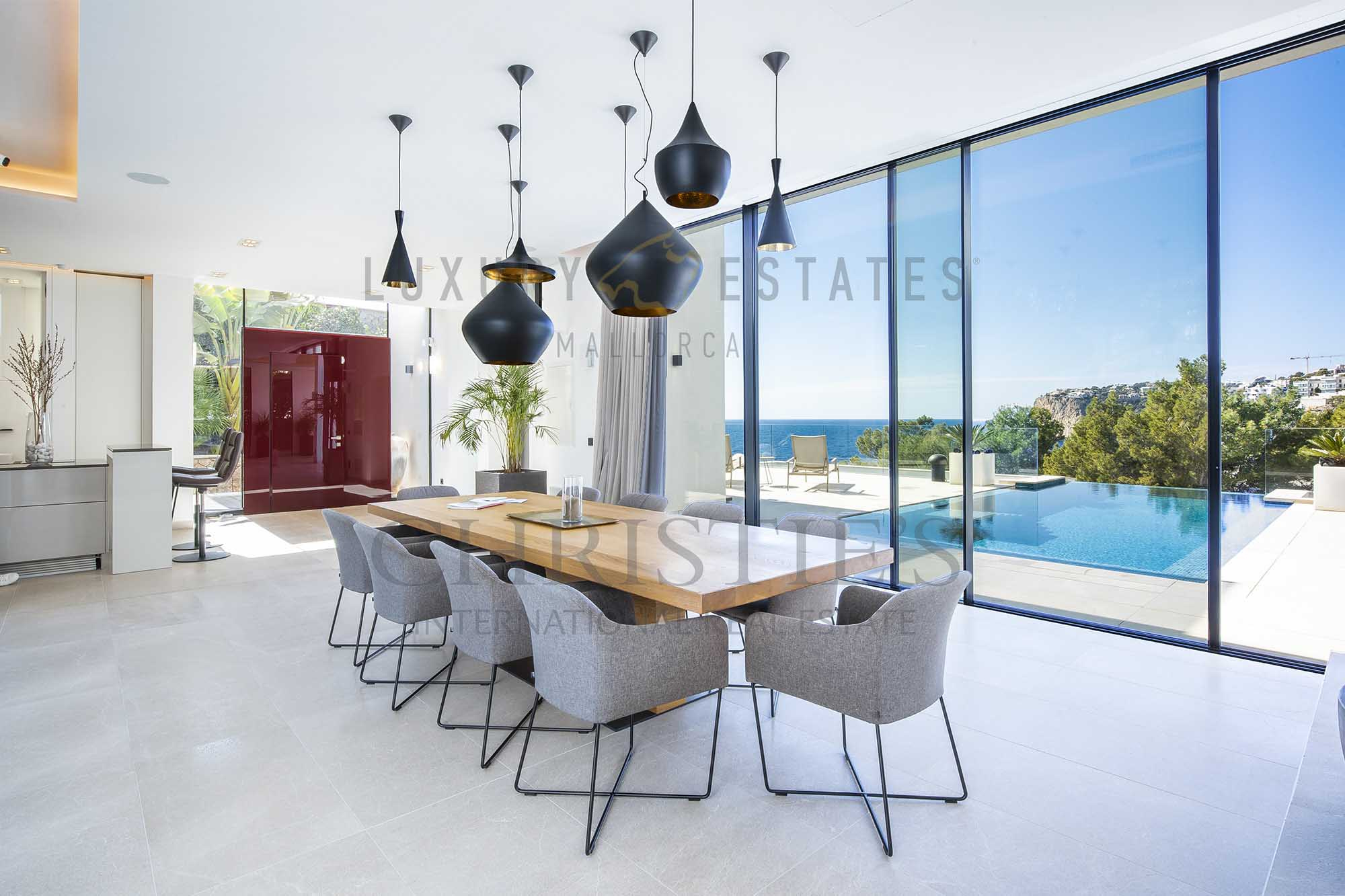
Today, the first viewing almost always takes place online. Before contacting an estate agent or requesting a viewing, most buyers compare dozens of properties on the internet. Within just a few seconds, they decide which listings deserve further attention and which they immediately ignore. At that stage, photography plays a decisive role.
Many excellent properties fail to attract interest simply because the images do not do them justice. Dark rooms, cluttered spaces, poor angles or photographs taken with a mobile phone can create a misleading impression and significantly reduce the number of enquiries.
Professional photography highlights the property's natural light, layout and strongest features. For luxury homes, it is also common to include professional video, drone photography and virtual tours, all of which are especially valuable for international buyers who often shortlist properties before travelling to Mallorca.
The purpose of photography is not simply to document the property but to create enough interest for buyers to arrange a viewing. In such a competitive market, high-quality presentation can make a significant difference.
Mistake #4: Not Having All the Documentation Ready
Finding an interested buyer is an important milestone, but it does not mean the sale can be completed immediately. Many transactions are delayed because essential documents are missing or issues arise that could have been identified before the property was even listed.
For this reason, it is advisable to review all documentation in advance. Having the title deeds, an up-to-date Land Registry extract (Nota Simple), the Energy Performance Certificate, the occupancy licence where applicable, and the latest council tax and community fee receipts ready helps ensure a smoother transaction.
It is also important to verify that the property's legal registration matches its current physical condition. Extensions, renovations or alterations that were never officially registered can delay the sale until they have been regularised.
Most documentation issues can be resolved, but doing so before finding a buyer is usually much easier than trying to fix them once contracts are already being prepared. Proper preparation creates confidence and allows the transaction to progress far more efficiently.
Mistake #5: Assuming the First Offer Is Always the Best... or Rejecting It Too Quickly
Receiving the first offer often creates mixed emotions. Some owners believe that if interest has appeared so quickly, an even better offer will surely follow. Others accept immediately for fear of losing the opportunity to sell.
Neither decision should be made impulsively. Every offer should be assessed on more than just price. It is equally important to consider the buyer's financial position, whether they require mortgage financing, the proposed completion timetable and any conditions attached to the offer.
Sometimes a slightly lower offer from a financially secure buyer who is ready to proceed quickly can be far more attractive than a higher offer with greater uncertainty.
Likewise, rejecting a good offer in the hope of receiving a better one may result in the property remaining on the market for several more months. As time passes, buyers often begin to wonder why the property has not sold, which can reduce future interest.
Taking time to evaluate every proposal objectively, with professional guidance, usually leads to far better decisions than relying purely on instinct.
Mistake #6: Not Understanding the Costs and Taxes Involved in Selling
Many homeowners focus only on the amount they expect to receive from the sale. However, the agreed selling price is not always the amount that ultimately reaches their bank account. Selling a property in Spain involves several costs and taxes that should be understood well in advance to avoid unpleasant surprises later in the process.
Depending on the circumstances, sellers may need to pay the municipal capital gains tax (Plusvalía Municipal), capital gains tax, or costs associated with cancelling an existing mortgage. Additional expenses may also arise from certificates, legal documentation or administrative procedures.
The final amount depends on factors such as how long the property has been owned, its original purchase price, the agreed sale price and the seller's tax situation. Obtaining an estimate of these costs before putting the property on the market provides a much clearer picture of the net proceeds and allows for more informed negotiations.
Mistake #7: Choosing an Estate Agency Based Only on the Commission
When preparing to sell, many homeowners compare several estate agencies. While this is perfectly reasonable, focusing exclusively on the commission percentage can lead to the wrong decision. A difference of one or two percentage points may seem significant initially, but it often has far less impact than the quality of the marketing strategy each agency is able to provide.
Not all estate agencies operate in the same way. Some have extensive international buyer databases, create tailored marketing campaigns, invest in professional photography, video production, virtual tours and targeted advertising. Others simply upload the property to a few websites and wait for enquiries.
For higher-value properties, a stronger marketing strategy can generate more qualified buyers, stronger negotiations and ultimately a higher selling price. In that context, the commission difference often becomes relatively insignificant. Instead of asking only how much an estate agent charges, it is often more valuable to ask what they will do to achieve the best possible outcome.
Mistake #8: Not Considering Your Ideal Buyer
One of the least obvious—but most important—mistakes is trying to market a property to everyone. Not all buyers are looking for the same thing. A family planning to live in Mallorca all year round has very different priorities from an investor, a couple searching for a holiday home or an international buyer who plans to use the property only a few weeks each year.
Before the property is even advertised, it is worth identifying the type of buyer most likely to be interested. This decision influences everything from the presentation and photography to the property description and the marketing channels used.
For example, a luxury villa in southwest Mallorca is likely to appeal primarily to international buyers, whereas a family apartment in Palma may attract local residents or people relocating permanently to the island. Tailoring the marketing to the right audience generates higher-quality enquiries and reduces unnecessary viewings.
Understanding your ideal buyer does not mean excluding other potential purchasers. It simply allows the property's strongest features to be presented more effectively, increasing the chances of achieving a successful sale more quickly.
How to Sell Your Property in Mallorca Faster
There is no guaranteed formula for selling a property within days, but certain decisions significantly improve your chances of finding the right buyer more quickly. A realistic asking price, careful property preparation, professional photography and a marketing strategy aimed at the right buyer profile all make a noticeable difference from the very first weeks on the market.
It is equally important to respond promptly to enquiries, have all documentation ready and evaluate every offer based not only on price but also on the buyer's financial position and the overall terms of the transaction.
In Mallorca, where a large proportion of demand comes from international buyers, working with an estate agency that has international visibility and experience in overseas transactions can make the entire selling process considerably smoother while helping you achieve the best possible result.

Frequently Asked Questions
How Long Does It Usually Take to Sell a Property in Mallorca?
There is no fixed timeframe. The time it takes to sell depends on factors such as the property's location, asking price, condition, and the level of demand in the market at that time.
When a property is launched at the right price, presented professionally, and supported by an effective marketing strategy, it is common to receive interest within the first few weeks. On the other hand, an overpriced property or one with poor marketing may remain on the market for several months before finding a buyer.
Is It Mandatory to Sell Through an Estate Agency?
No. Property owners are free to sell their home privately if they wish. However, many sellers choose to work with a professional estate agency because it manages enquiries, organises viewings, qualifies buyers, negotiates offers, prepares the necessary documentation, and coordinates the entire process through to completion at the notary. When the buyer is based abroad, working with an agency experienced in international transactions can make the process significantly smoother.
What Documents Do I Need to Sell My Property?
The exact documentation may vary depending on the property, but you will generally need the title deeds, an up-to-date Land Registry extract (Nota Simple), the Energy Performance Certificate (EPC), and, where applicable, the Certificate of Habitability (Cédula de Habitabilidad). It is also advisable to have the latest IBI (property tax) receipts, proof that community fees are up to date, and any documentation relating to renovations or extensions carried out on the property. Having everything prepared from the outset helps avoid delays once a buyer is found.
Can I Continue Living in the Property Until Completion?
Yes. In fact, this is the most common situation. The seller continues to use the property as normal until the day of completion at the notary, when possession is transferred to the buyer, unless both parties have agreed on a different handover date in the purchase contract.
Is It Worth Renovating My Property Before Selling?
It depends on the condition of the property and the type of buyer you want to attract. A full renovation is not always necessary. In many cases, simple improvements such as repainting, repairing visible defects, improving the lighting, or updating certain features can make the property much more appealing. The key is to assess whether the investment is likely to increase buyer interest and improve the final selling price.
Can I Sell a Property that Still Has a Mortgage?
Yes. This is a very common situation. In most cases, the outstanding mortgage is repaid on the day of completion using part of the purchase price paid by the buyer. Once the mortgage has been settled with the bank, the remaining balance is transferred to the seller. It is advisable to organise this process well in advance so that all the necessary documentation is ready for completion.
What Happens If I Receive Several Offers at the Same Time?
If a property generates strong interest, it is possible to receive multiple offers simultaneously. In this situation, it is important to look beyond the purchase price. Factors such as the buyer's financial position, whether they require mortgage financing, the proposed completion date, and any conditions attached to the offer should also be carefully considered. In many cases, the best offer is not necessarily the highest one, but the one that provides the greatest certainty of completing the sale successfully.
Conclusion
Selling a property in Mallorca may seem straightforward, but experience shows that attention to detail can make a significant difference to the final outcome. Setting a realistic asking price, preparing the property properly, having all the necessary documentation ready, understanding the costs involved, and implementing an effective marketing strategy all help attract more qualified buyers and strengthen your negotiating position.
Mallorca remains one of Europe's most desirable property markets, particularly among international buyers. However, that does not mean every property sells in the same way. A well-planned sales strategy usually results in less time on the market, fewer complications throughout the process, and a greater chance of achieving the best possible price. By taking the time to prepare properly and working with experienced professionals, selling a property in Mallorca can be a far smoother and more secure process than many homeowners initially expect.